



Bird Nerd Summer
Every summer, thousands of Texans willingly stand outside in triple-digit temperatures carrying binoculars, cameras, and enough water to survive a small expedition. Surprisingly, they're not training for a reality show. They're looking for birds, butterflies, alligators, sea turtles, bats, and just about anything else that calls Texas home.
Wildlife watching has become one of the state's most accessible summer hobbies, partly because Texas offers an extraordinary variety of places to experience it. Within a few hours' drive, you can go from spotting coastal birds along the Gulf to watching desert wildlife in West Texas or searching for rare species in the Piney Woods. For many families, it has become an easy alternative to crowded attractions and expensive weekend trips.
Nature's Biggest Texas Attractions
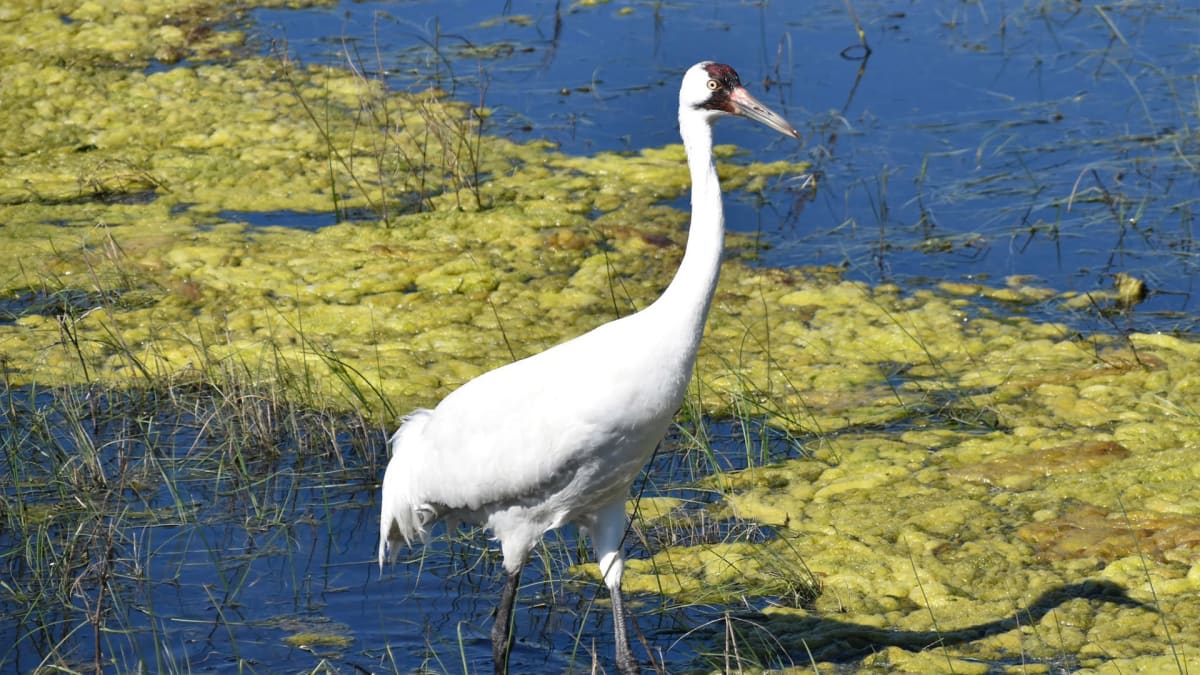
Some of the state's best wildlife experiences are hiding in plain sight. At Aransas National Wildlife Refuge in Austell, visitors can observe hundreds of bird species and explore coastal habitats that support some of Texas' most important wildlife populations. Farther south, South Padre Island Birding, Nature Center & Alligator Sanctuary offers boardwalks, observation towers, and opportunities to see everything from migratory birds to resident alligators.
Near the state's largest metro area in Needville, Brazos Bend State Park has earned a reputation as one of Texas' most reliable places to see alligators in the wild, along with countless bird species, turtles, and deer. In Central Texas, visitors flock to Bracken Cave Preserve in San Antonio each summer to witness millions of Mexican free-tailed bats emerging at sunset in one of the largest mammal migrations on Earth.
Those looking to learn more about local ecosystems often head to places like Lady Bird Johnson Wildflower Center in Austin, where native plants, pollinator gardens, and educational programs help visitors better understand the wildlife living in their own communities.
The Backyard Connection
What's driving interest in wildlife isn't just the chance to spot something rare. It's the realization that nature exists much closer to home than many people assume. A visit to a refuge, sanctuary, or nature center often sends people back to their own yards with fresh eyes. Suddenly the hummingbird at the feeder becomes more interesting. The butterflies in the garden get a second look.
In a season when many Texans are looking for ways to slow down and reconnect, wildlife watching offers something refreshingly simple. The state's most fascinating residents aren't hiding behind admission gates or reservation systems. They're already here, waiting to be noticed.
