



One Monday, Centuries of History
October 12 arrives in Texas carrying two names and considerably more history than either can hold. The more useful question is not what the calendar says, but whose stories Texans choose to hear.
State law still recognizes Columbus Day, while cities including Dallas observe Indigenous Peoples’ Day. That overlap reflects a public memory in motion, one slowly widening beyond familiar explorers and statehood milestones to include the people who lived, traveled and built communities here centuries earlier.
The date itself may be debated. The deeper Texas story was underway long before anyone printed a holiday calendar.
The Tonkawa Story in Bastrop
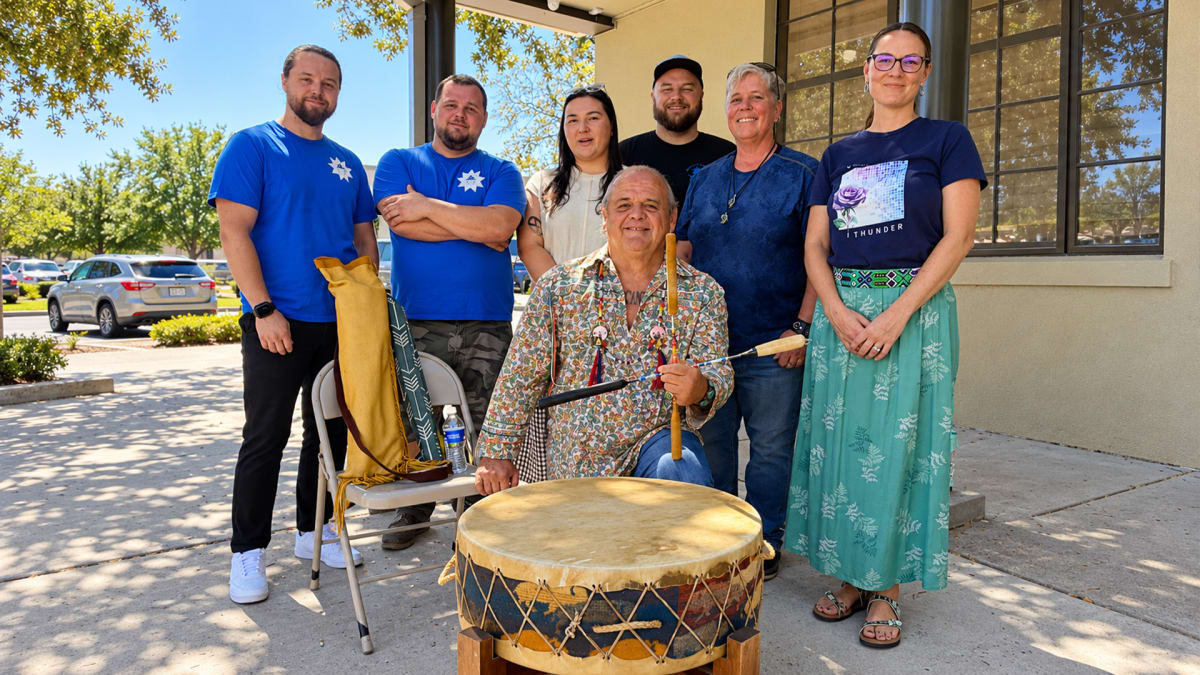
On Saturday, October 10, the Bastrop County Museum & Visitor Center’s Indigenous Peoples Day program brings that history into a local setting. The family-friendly event runs from 11 a.m. to 2 p.m. at 904 Main Street and focuses on the Tonkawa and their place in Bastrop County’s history.
Visitors can encounter Tonkawa language, traditions and history through artifacts, demonstrations and hands-on activities. That format matters. A word spoken aloud or a skill attempted by hand can make the past feel less like a paragraph somebody skimmed before a test.
This is the museum’s third year holding the event, but the work will extend beyond Saturday afternoon. A permanent Tonkawa exhibit is being prepared for the museum’s galleries, giving Indigenous history a lasting place within the county’s public account of itself.
Reading History in the Landscape
Near Fredericksburg, Wild Plants Unlimited! at Enchanted Rock offers another way to understand Indigenous life through the land itself. Led by Texas Master Naturalist Constance Weaver, the program examines how the area’s First Peoples used native trees, vines, shrubs and other plants.
A hands-on cordage exercise using sotol leaves demonstrates how plant knowledge supported everyday life. The official listing currently describes the program as free with park admission, with no separate registration required.
Together, the museum program and the park’s interpretive work shift attention from an abstract argument over a holiday name toward language, material culture and lived knowledge.
Long before Texas had six flags, it had people who understood its rivers, plants and seasons. October 12 offers a reason to remember that, but there’s plenty to learn during the rest of the year, too.
Find more museums, cultural programs and places to keep exploring in the Guide to Texas arts and entertainment directory: https://www.guidetotx.com/arts-entertainment
