



The Space Race Needs Chips!
Texas’ next big space project may look less like a launchpad and more like a semiconductor plant. SpaceX is betting $16.8 billion that controlling the chips behind its technology matters almost as much as building the rockets.
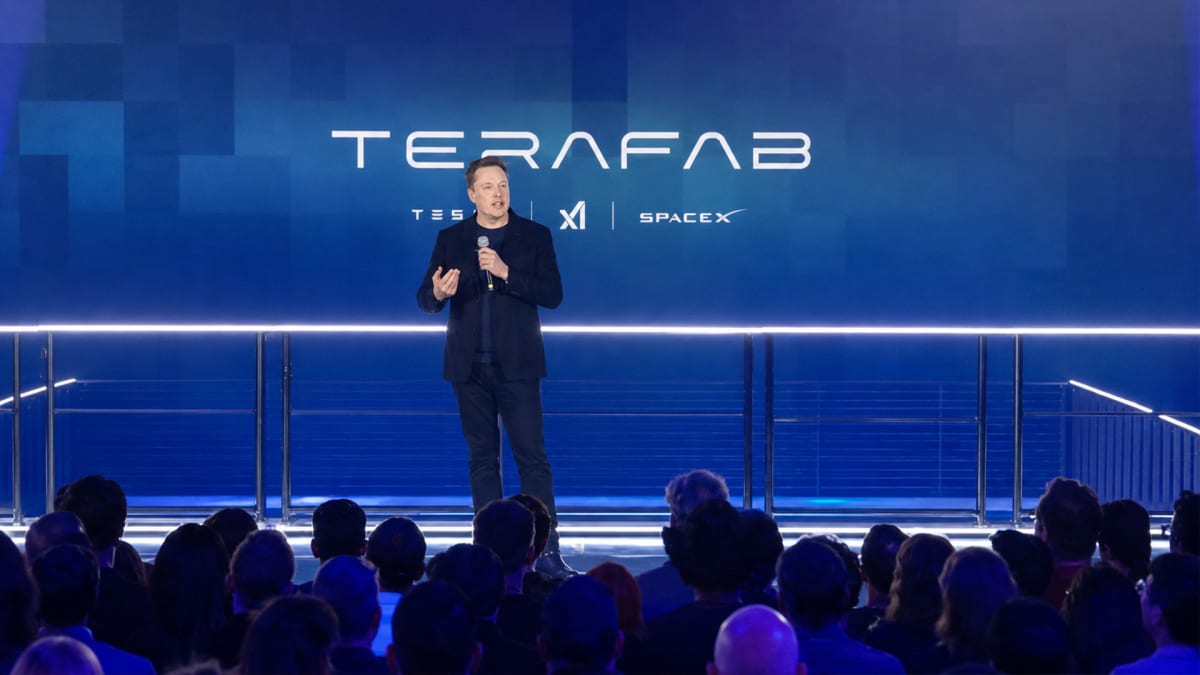
Earlier this month, the state announced that SpaceX plans to build a vertically integrated semiconductor facility in Grimes County. The first phase of the Terafab project is expected to create 3,000 jobs and eventually combine logic chips, memory and advanced packaging under one roof.
The scale is striking, but the reason behind it may matter more. SpaceX says the 100-million-square-foot facility will consolidate semiconductor production to meet its future chip needs, including AI chips intended for use both on Earth and in space. In other words, the company increasingly wants control over the silicon powering the systems it sends skyward.
From Bastrop to Grimes County
That strategy did not start with Terafab. In 2025, Texas awarded SpaceX a $17.3 million Texas Semiconductor Innovation Fund grant for an expansion of its Bastrop operation.
The Bastrop project included semiconductor research, a failure-analysis lab, printed circuit boards and advanced packaging alongside production of Starlink equipment. SpaceX projected more than $280 million in investment and more than 400 jobs there.
Taken together, Bastrop and Grimes County show two Texas industries beginning to overlap. Aerospace companies need increasingly sophisticated computing hardware, while semiconductor manufacturing is becoming part of the infrastructure required to build and operate spacecraft, satellites and communications networks.
A Texas Industry Gets Wider
That overlap lands in a state already deeply invested in chips. Texas says it has led the nation in semiconductor exports for 15 consecutive years and employs more than 51,500 people in the industry.
The state is also backing expansion through the Texas Semiconductor Innovation Fund, created under the 2023 Texas CHIPS Act with approximately $698 million for semiconductor research, design and manufacturing incentives through fiscal year 2027.
Terafab adds a new wrinkle to that story. A company known for rockets and satellites is now preparing to manufacture the computing hardware those systems increasingly depend on.
The Texas space race is no longer happening only overhead. Increasingly, it starts on silicon.
For a closer look at the companies already shaping the state’s aerospace economy, explore the Guide to Texas directory at https://www.guidetotx.com/aerospace-manufacturers.
