



The Workforce Behind the Wheels
Texas has spent generations buying trucks by the millions. Now, a $3.6 billion Toyota expansion in San Antonio is raising a different question: How quickly can the state build the workforce needed to build the vehicles?
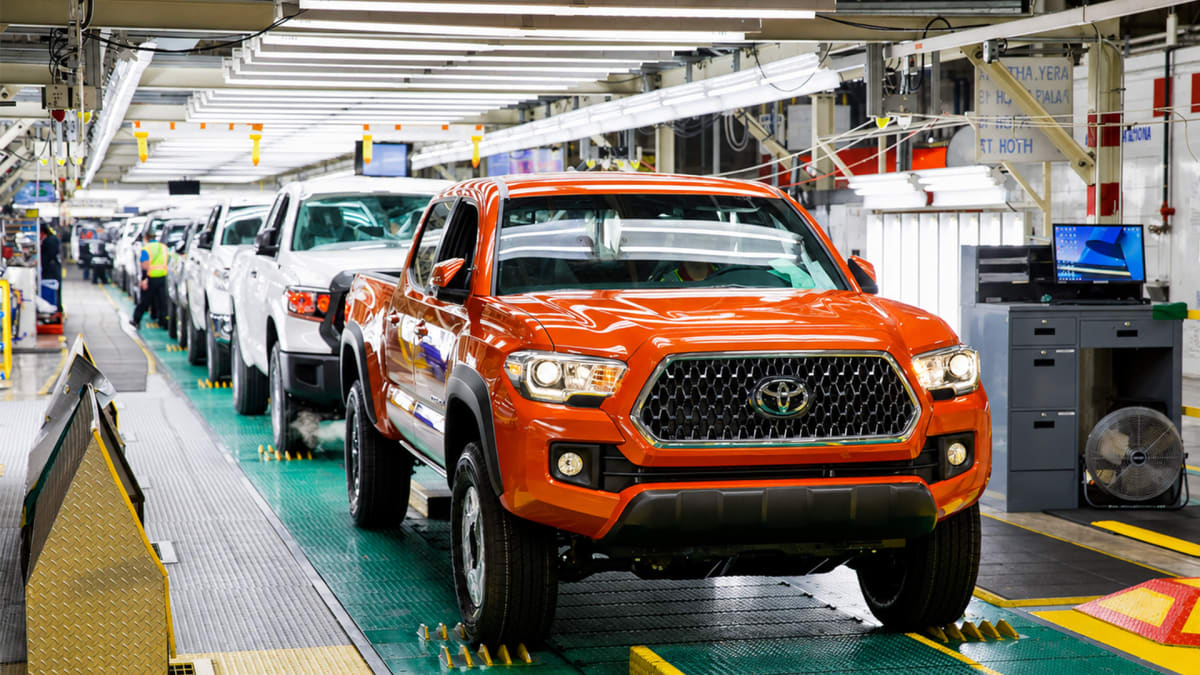
Toyota Motor Manufacturing Texas plans to add a second vehicle assembly line at its San Antonio operation, doubling the plant’s existing manufacturing footprint and creating an expected 2,000 jobs.
Two thousand is the headline number. The more interesting story may be everything required to make those jobs possible.
One Assembly Line Creates a Long Bench
A modern vehicle plant depends on far more than workers standing beside a moving line. Engineers keep production systems running. Technicians troubleshoot equipment. Logistics teams move components into place at exactly the right moment. Suppliers manufacture and deliver thousands of parts that eventually leave the factory as a Tundra or Sequoia.
Toyota’s existing San Antonio operation already illustrates the ripple effect. The plant has 23 on-site suppliers employing 5,600 people, alongside Toyota’s own workforce. Adding another assembly line means the region has to think beyond filling positions inside one building.
That fits a broader Texas manufacturing story. The Texas Comptroller’s manufacturing overview describes the state’s automotive sector as burgeoning, supported by skilled labor and a transportation network of highways, rail, airports and seaports. Manufacturing as a whole contributed $241 billion to Texas GDP in 2019, after inflation-adjusted growth of 85 percent between 2001 and 2019.
The factory floor has become one piece of a much larger career map.
Training for the Factory That Comes Next
That map increasingly runs through classrooms and laboratories. The University of Texas at San Antonio is expanding training tied to advanced manufacturing as demand grows for specialized technical skills.
Students can pursue industrial and systems engineering at the bachelor’s level, along with graduate programs in advanced materials engineering and advanced manufacturing and enterprise engineering. Hands-on engineering spaces, including large-scale testing facilities and makerspaces, give that preparation a practical side.
The timing matters. When an employer adds thousands of jobs at once, workforce development cannot begin after the ribbon cutting. Universities, technical programs and employers have to develop people who understand increasingly sophisticated production systems while the buildings, machinery and supplier networks are still taking shape.
Texas automotive manufacturing is growing into something larger than a factory story. One assembly line becoming two creates opportunities for technicians, engineers, suppliers and students who may never bolt a truck together themselves but will help keep the entire operation moving.
To see more of the companies and industries helping manufacture what Texas uses, builds and ships, visit the Guide to Texas directory at https://www.guidetotx.com/manufacturing.
